The endless ups and downs of AI are exhausting. It is now sufficient for a single ‘genius’ CEO to get caught with his pants down for the financial world to quake, for the West’s economic positioning vis-à-vis China to be weakened, and, one imagines, for the sky to fall down. (Genius?? A genius incapable of the most basic strategic thinking, it seems).
Why this inundation of speculation and fear-mongering? Why the slosh of endless hyperbole? One day AI can do it all ! The next, it will destroy all jobs ! The day after, it will save the planet ! Then, it is an existential threat again.
Much of this speculation elides an important point. Whether or not AI is ‘disruptive’, ‘efficient’, ‘world-changing’ or simply ‘wasteful’, a key effect of this wall of words is to hide an old-fashioned get-rich-quick scheme: enclosure of the commons.
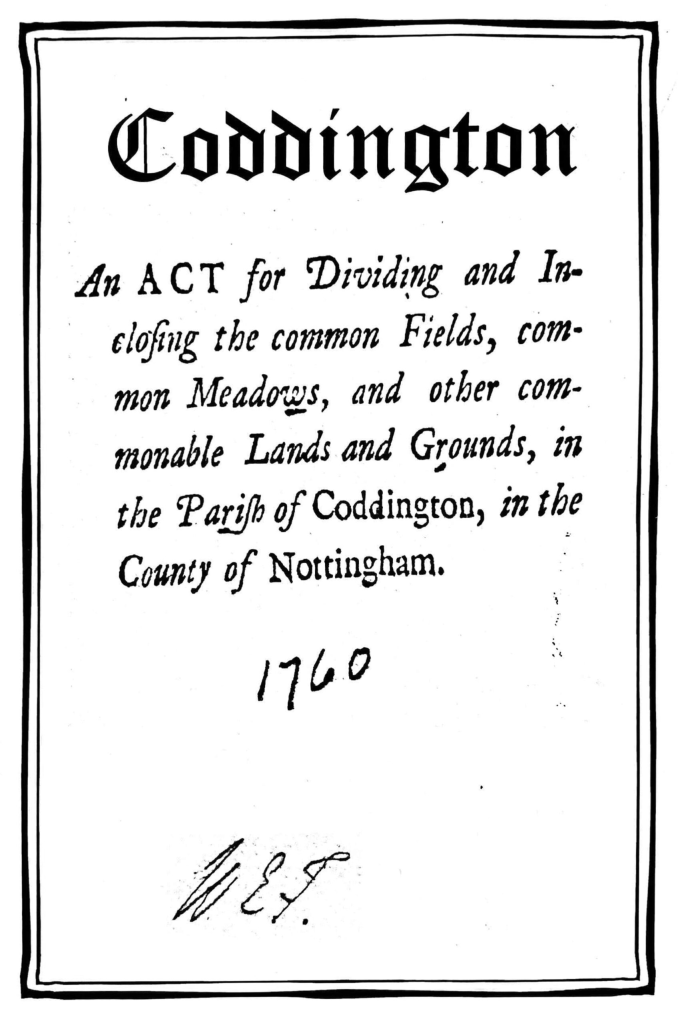
AI as enclosure
Veiled by a smokescreen of bombastic pronouncements, a few oligopolistic corporations, backed by billionaires and captured regulators, are playing the oldest trick in the book. They are enclosing the commons, capturing for their own benefit something that has so far been available at little cost (except effort and perseverance) to all.
These same corporations, billionaires, and regulators are fueling the ‘debate’, not because they care about it, but because it takes people’s eye off the ball, it deflects attention from the age-old practice of enclosure.
Our titans of innovation are nothing but relics – not disruptive, simply rapacious, wielding power as it has always been wielded (except during shortish periods of democratically devised market regulation).
Freedom as centralized control
In true Orwellian fashion, enclosure is undertaken in the name of ‘freedom’.
Freedom, as many of you know, is the clarion call of neoliberal economics, the economics that have dominated since the 1980s, that would have us believe that ‘free markets’ and ‘freedom’ are synonymous.
Under the neoliberal acceptation of freedom, the privatization of thought by billionaires is an example of individuals exerting their right to freedom – just as Ayn Rand’s ‘heroic’ makers imagine (in the fairytale world of her ludicrous novels) that they single-handedly make the world turn round. Any fetters on their freedom to impose their will on the world is portrayed as unjust (and her geniuses petulantly sulk until the world, incapable of functioning without them, pleads for their return).
Randian ‘freedom’ is the freedom of the powerful to rule over the masses, the freedom of AI to privatize our thinking processes: freedom is centralized control … Orwellian doublespeak at its best.
Thiel et al. as old-fashioned aristocrats
Screened by ‘debate’ about anthropomorphized AI and its other-worldly powers, a small set of self-anointed geniuses (who believe in their moral right to dominate others) are repeating what aristocrats and war-lords have done for centuries: enclosing the commons, transferring the birthright of ordinary people to their ownership and control.
Even though AI technology is undoubtedly novel and can be useful when used moderately and with good data, the economic and political processes fueled by bloated generative AI are tired and ancient : so much for disruptive geniuses!

